
Coordinate before closure
Close trade openings once the work behind them is truly ready
A coordination guide for turning plumbing or electrical access holes into finished, usable rooms.
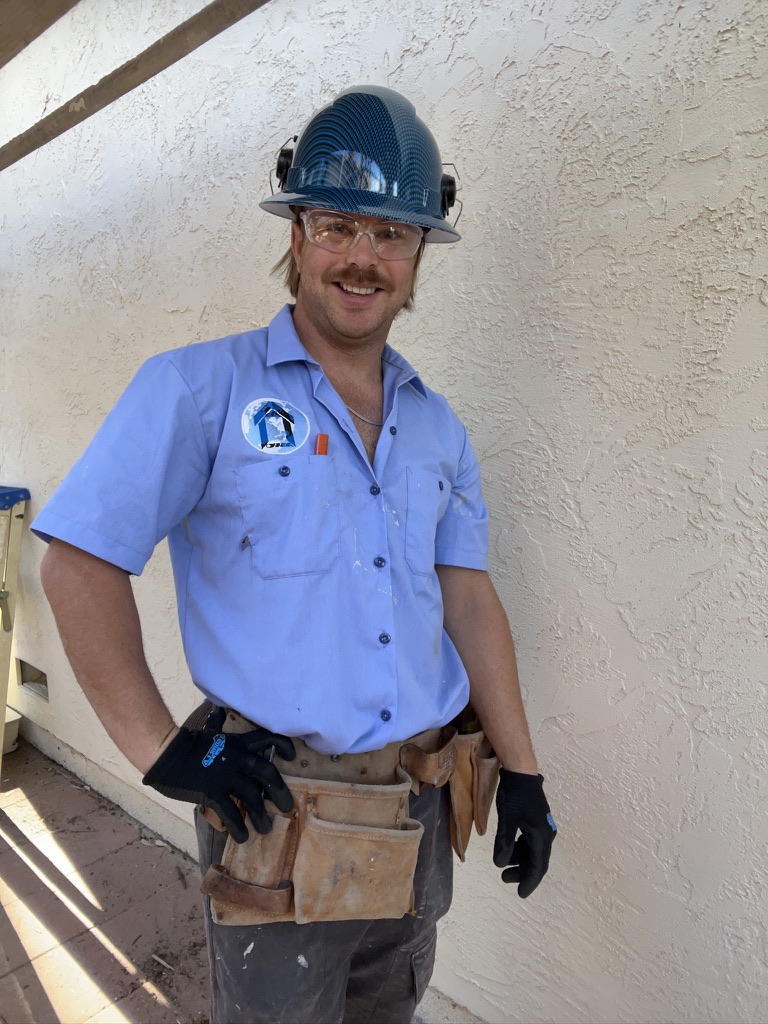
An access opening is often the middle of a repair, not the end. The plumber or electrician may finish the hidden work while the resident still sees an open wall, dust, texture differences, and an incomplete paint plane. A clear closeout handoff prevents return visits and protects the work already completed.
Identify every opening and responsible trade
List each opening by room and surface: kitchen sink wall, hallway ceiling, bedroom outlet wall, or another clear description. Pair it with the trade that created or used the access. Multiple openings can have different release dates even when they came from the same service call.
Include overview photos so the drywall contractor can see corners, cabinets, trim, fixtures, and working space. A close-up of a hole does not show whether a ladder fits or whether adjacent finishes need protection.
Get a clear release for closure
The responsible trade should confirm its work is complete and that no further access is expected. Ask whether photos, testing, inspection, adjustment, or owner review must happen before the opening is covered. Record that release with the project notes.
Do not rely on the phrase 'the plumbing is done' when several walls were opened. Tie the release to each location. If one opening must remain accessible, separate it from those that can proceed.
Check the repair edges and backing
A usable patch needs sound edges and a way to support the replacement board. Irregular cuts, damaged paper, crowded piping, cabinets, insulation, or framing can change the repair approach. The visible hole size may not equal the final cut needed for a clean, supported repair.
That adjustment should be discussed before work, especially in occupied rooms or finished kitchens. The goal is a durable plane with manageable joints, not the smallest possible piece at any cost.
Define the finish boundary
Specify whether closeout ends at taped board, matched texture, primed surface, local paint, or a broader wall or ceiling paint boundary. Existing texture, sheen, age, fading, and side light influence visibility. Exact invisibility cannot be guaranteed from a small patch alone.
If the owner is supplying paint, confirm the product and whether it is still usable. If the color is unknown, include the time and method needed to establish a practical match.
Plan access, protection, and handoff
Confirm entry instructions, parking or gate details, resident contact, pets, furniture movement, and the daily room reset. Drywall closeout involves staged compound work, sanding, and painting; the schedule depends on scope and conditions rather than the size of the opening alone.
Straightforward openings may be estimated from good photos and a trade release. When several trades, rooms, finish levels, or unknown edges are involved, AWC's $250 Site Evaluation + Written Bid Package provides a written plan, credited if approved within 30 days.
Planning checklist
- Label every opening by room, surface, and responsible trade
- Obtain a location-specific release before drywall closure
- Confirm whether inspection, testing, or documentation remains
- Choose the texture, primer, and paint completion point
- Provide access instructions and occupied-room protection needs
Questions owners ask
Can the drywall contractor decide whether plumbing is ready to cover?
The responsible trade or project lead should release its concealed work. The drywall contractor can verify patch conditions but should not assume another trade is finished.
Why might the patch opening become larger?
Damaged edges, missing backing, crowded utilities, or an awkward cut may require a cleaner boundary so replacement board can be supported and finished properly.
Related AWC context
AWC article
Behind AWC: The Part of Contracting You Don’t Usually See
See how investigation, coordination and documented work support a clear repair scope.
AWC field video
5 minute mud sets too fast!
A separate AWC field video about a final skim before sanding and paint. Compound setting time is not the total repair schedule; this is not the featured case or a documented Linda Vista location.
Watch on YouTube