
Protect the lived-in space
Plan the work so the room and the repair both stay manageable
Questions to settle before drywall repair in a furnished home, occupied rental, or active workspace.
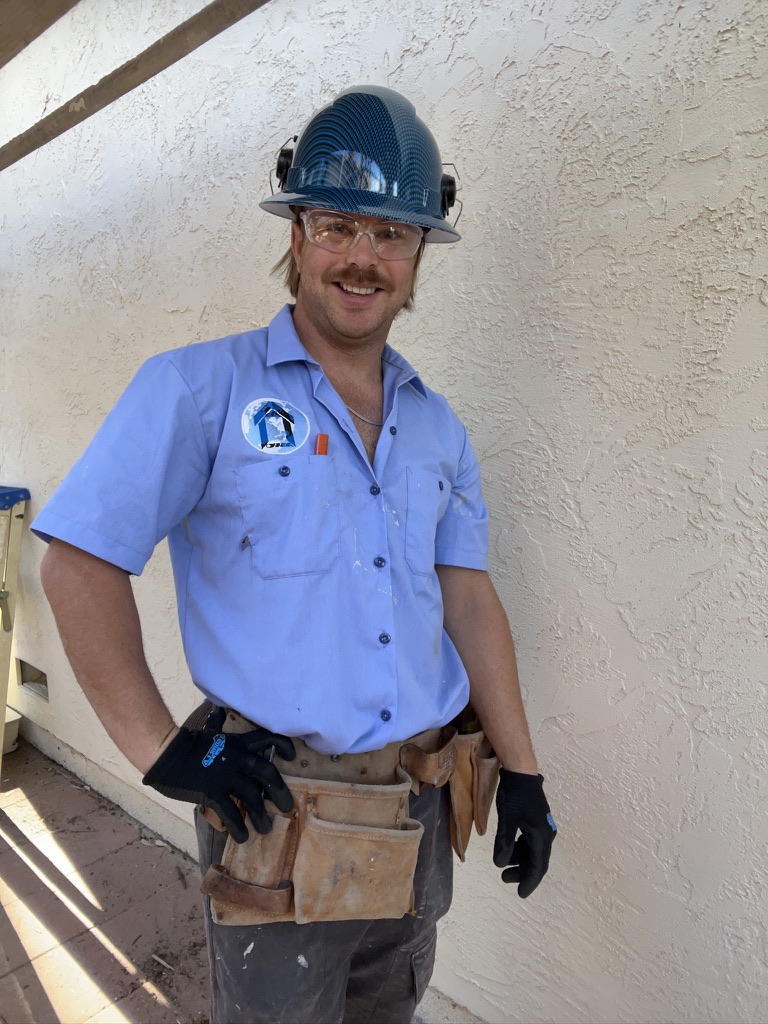
Drywall repair in an occupied room is partly a logistics job. Furniture, electronics, pets, walking paths, ventilation, and daily use shape how the work should be contained and sequenced. A useful plan states who prepares the room, what remains accessible, and what condition the space returns to between visits.
Define the active work zone
Identify the repair surface and the space needed to reach it safely. A ceiling patch may affect most of a bedroom even when the damaged area is small. A wall repair beside a desk, television, cabinet, or bed needs more clearance than the photo suggests.
Agree on what the occupant will move and what the contractor will protect or reposition. Avoid last-minute handling of fragile, valuable, or personal items. The owner or resident should secure those before work begins.
Choose protection for the actual task
Board cutting, mixing, sanding, texture, primer, and paint create different protection needs. The plan may include floor covering, plastic separation, protected pathways, furniture covers, localized dust collection, and careful removal of debris. Protection should fit the room and work stage rather than rely on one generic setup.
Ask where tools and materials can be staged. A defined staging area reduces repeated traffic through the home and keeps exits and daily paths usable.
Coordinate air movement and occupants
Discuss nearby air returns, fans, open windows, and doors before dusty work. The appropriate setup depends on weather, room layout, equipment, and the materials being used. Residents should know when to remain out of the work zone and when normal use can resume.
Share information about children, pets, mobility needs, remote work, or sensitivities that affect access and product planning. Do not disturb suspect material; pause and define the proper evaluation path if an unexpected condition appears.
Set the daily-reset expectation
Multi-stage finishing may require more than one visit. Decide whether the room will be fully returned to use each day or remain a controlled work zone. A daily reset can include collecting debris, securing tools, removing trip hazards, and explaining what surfaces must remain untouched.
Some protection may need to stay in place between stages. That should be agreed in advance so a resident does not unknowingly remove containment or place belongings against unfinished work.
Confirm the final room handoff
At completion, review the agreed repair and paint boundary in normal room light. Confirm which furniture or fixtures were reset, what protective materials were removed, and whether any curing or care instructions remain. A documented handoff matters in a managed property where the person approving the work may not live onsite.
Straightforward occupied-room damage may be estimated from complete photos and access details. For broader or uncertain work, AWC's $250 Site Evaluation + Written Bid Package is credited if the proposed work is approved within 30 days.
Planning checklist
- Show the whole room, access path, and repair location
- Remove valuables and identify furniture-moving responsibilities
- Discuss floor, doorway, furniture, and air-return protection
- Share pet, child, mobility, and work-from-home constraints
- Agree whether the room resets daily or remains controlled
Questions owners ask
Can the room stay usable during drywall repair?
It depends on repair location, dust-producing stages, drying, and safe access. Define daily use and reset expectations before work starts.
Who should move furniture and electronics?
Agree on that in the scope. Residents should secure fragile and personal items; the contractor should state the clearance and protection needed for the work zone.
Related AWC context
AWC article
Rental Turnover Repairs: What To Check Before The Unit Sits Empty
Build a useful repair list with room photos, occupancy, access and timing before planning the turnover.
AWC field video
5 minute mud sets too fast!
A separate AWC field video about a final skim before sanding and paint. Compound setting time is not the total repair schedule; this is not the featured case or a documented Linda Vista location.
Watch on YouTube